
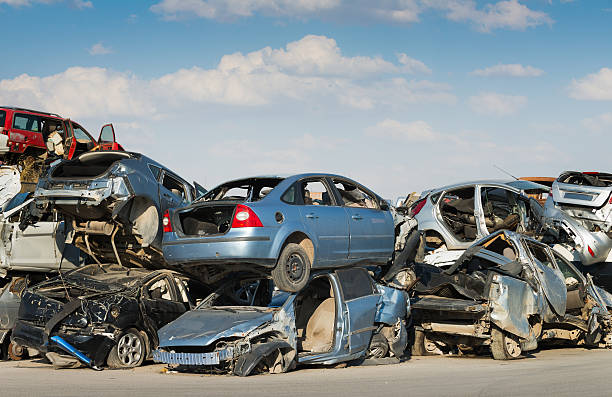

Many drivers focus mainly on mileage when thinking about vehicle wear, but weather and climate often affect a car just as much as the number of miles on the odometer. Years of exposure to heat, cold, moisture, and changing temperatures gradually weaken both mechanical and cosmetic parts of a vehicle.
Even cars that are driven carefully can experience serious deterioration when constantly exposed to harsh environmental conditions.
Sunlight Slowly Damages Exterior Surfaces
Vehicles parked outdoors for long periods are constantly exposed to ultraviolet rays from the sun.
Over time, sunlight may contribute to:
- Paint fading
- Clear coat peeling
- Dashboard cracking
- Interior discoloration
- Dry rubber seals
Dark-colored vehicles often absorb more heat, which may accelerate surface deterioration even faster.
Many owners do not notice the damage immediately because it develops gradually over several years.
Heat Places Stress on Mechanical Systems
Extreme heat affects far more than just the vehicle’s appearance.
High temperatures may place additional strain on:
- Batteries
- Cooling systems
- Tires
- Air conditioning components
- Engine fluids
During hot weather, engines must work harder to regulate temperature properly. Older cooling systems often struggle more during summer conditions, increasing the risk of overheating.
Heat can also shorten battery lifespan significantly, especially in regions with long, hot summers.
Cold Weather Creates Its Own Problems
Winter conditions are equally hard on vehicles.
Cold temperatures may contribute to:
- Weak battery performance
- Thickened engine oil
- Frozen fluids
- Tire pressure loss
- Difficult starting
Snow and ice also increase stress on braking and suspension systems because of slippery roads and pothole damage.
Vehicles that already have aging components often become far less reliable during colder months.
Road Salt Accelerates Rust Formation
One of the biggest long-term threats to vehicles in colder climates is road salt.
Salt used for winter roads may stick underneath the vehicle and gradually cause corrosion involving:
- Brake lines
- Exhaust systems
- Suspension parts
- Frame components
- Body panels
Rust often spreads quietly underneath the car long before visible exterior damage appears.
Once corrosion reaches structural areas, repairs can become extremely expensive.
Moisture Leads to Hidden Damage
Rain, humidity, and trapped moisture may slowly affect both the interior and exterior of a vehicle.
Long-term moisture exposure can contribute to:
- Mold growth
- Electrical corrosion
- Rust formation
- Water leaks
- Interior odors
Vehicles with damaged weather seals or clogged drainage systems are especially vulnerable to hidden moisture problems over time.
Temperature Changes Cause Material Fatigue
Vehicles constantly expand and contract because of changing weather conditions.
Years of repeated temperature fluctuations may weaken:
- Plastic trim
- Rubber seals
- Adhesives
- Paint surfaces
- Interior materials
This is one reason older cars commonly develop:
- Cracked dashboards
- Loose trim pieces
- Peeling paint
- Sagging headliners
Environmental stress affects nearly every material throughout the vehicle over time.
Storms and Debris Can Create Additional Wear
Harsh weather conditions may also expose vehicles to:
- Hail damage
- Falling debris
- Flooding
- Wind-blown dirt
- Tree sap accumulation
Even small repeated impacts from debris and environmental contaminants gradually affect exterior condition and long-term durability.
Tires and Suspension Wear Faster in Rough Conditions
Road conditions caused by changing weather often place additional stress on:
- Tires
- Shocks
- Struts
- Alignment systems
- Steering components
Potholes formed during freeze-thaw cycles are especially damaging to suspension systems and wheel alignment.
Drivers in rough-weather regions often experience faster suspension wear compared to milder climates.
Weather Exposure Can Lower Vehicle Value
Vehicles exposed to years of harsh environmental conditions commonly develop:
- Rust
- Paint damage
- Interior fading
- Mechanical wear
- Weather seal deterioration
Even when the vehicle still operates, environmental damage often reduces resale value and increases future maintenance needs.
Buyers frequently pay close attention to climate-related wear when evaluating used vehicles.
Some Owners Eventually Decide Repairs No Longer Make Sense
As weather-related damage accumulates, many drivers begin facing repeated expenses involving:
- Rust repair
- Suspension replacement
- Electrical problems
- Paint deterioration
- Cooling system failures
At some point, continuing repairs may no longer feel financially practical.
This is one reason some owners eventually explore services such as Cash For Junk Cars when long-term environmental wear and rising repair costs make continued ownership difficult to justify.
Preventative Care Helps Reduce Climate Damage
Although weather-related wear cannot be avoided completely, regular maintenance can slow deterioration significantly.
Helpful preventative practices include:
- Washing road salt regularly
- Parking in shaded or covered areas
- Applying paint protection
- Inspecting seals and drainage systems
- Addressing rust early
Routine care often helps preserve both appearance and mechanical reliability for much longer.
Final Thoughts
Weather and climate affect vehicles every single day, gradually damaging both cosmetic and mechanical systems over time. Understanding how environmental exposure contributes to long-term wear helps drivers make smarter maintenance decisions and better protect their vehicles against unnecessary deterioration.