
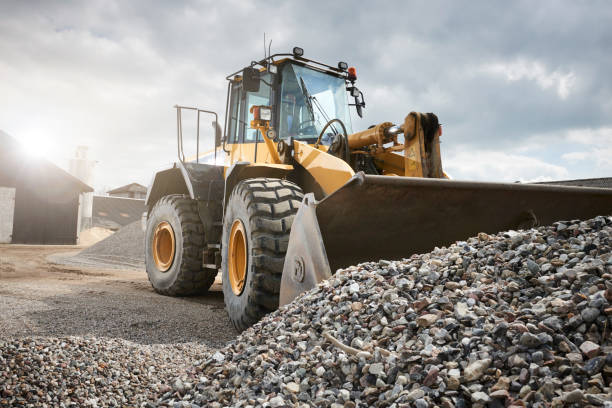

Water can travel through soil unnoticed until a yard stays soggy, a trench settles, or a drain stops moving runoff. Gravel around a drainage pipe creates space for water to flow while shielding the pipe from soil pressure and sediment. The best size depends on pipe type, soil, trench design, and expected water volume.
Why 3/4-Inch Gravel Is the Standard Choice
Three-quarter-inch washed gravel suits many residential drainage systems because its stones leave enough open space for water movement. Washed material is preferred because sand, dirt, and stone dust can fill gaps and reduce flow.
Contractors commonly use this size around perforated pipe in French drains, foundation drains, and yard trenches. This stone supports the pipe without sealing its openings, allowing water to enter freely. Homeowners searching for gravel delivery near me often find that 3/4-inch washed gravel offers a balance of drainage, stability, cost, and availability.
Does Smaller Gravel Drain Better?
Pea gravel moves water, but its small rounded pieces can shift under pressure or migrate into soil. Closely packed stones may also leave less open space than expected. For that reason, pea gravel fits shallow decorative drains and light-duty landscape areas better than deep trenches.
Fine crushed stone creates another concern because dust and small particles can settle near pipe openings. Over time, those fines may form a dense layer that slows drainage. Buyers comparing gravel for sale should ask whether the product is washed and screened instead of judging it by size alone.
Larger Stone Helps High-Volume Drainage Systems
One-inch to 1.5-inch clean stone can work well in trenches that collect heavy runoff. Larger gaps allow more water to move through the trench. Bigger aggregate also resists compaction, helping deep systems maintain capacity.
Installers must still match the rock to the pipe diameter and trench width. Oversized stone in a narrow cut can create uneven pressure or make the pipe difficult to hold at a slope. Customers arranging gravel delivery in Huntsville AL should share pipe size, trench dimensions, and project type.
Washed Stone Protects Pipe Openings
Clean aggregate keeps sediment away from holes and slots in perforated pipe. Unwashed gravel may appear acceptable at delivery, yet rain can carry its dusty coating toward the trench bottom. Gradually, that material can gather around the pipe and restrict water entry.
Landscape fabric adds protection where surrounding soil contains clay, silt, or fine sand. Proper fabric separates ground from the gravel bed without being wrapped tightly around the pipe. Shoppers reviewing rock and dirt for sale should treat drainage stone and fill dirt as separate materials because they perform different jobs.
Pipe Bedding Needs the Right Depth and Shape
A stable gravel base prevents drainage pipe from sagging between high spots. Crews place several inches of clean stone beneath the pipe, establish the slope, and add aggregate along the sides and top. Even support reduces low sections that can hold water, collect debris, and weaken performance.
Trench shape affects the amount of material needed. Wider trenches provide more drainage capacity but require more gravel, while narrow cuts demand careful placement. Accurate measurements help a rock and dirt delivery provider calculate volume and limit shortages or extra loads.
Soil Conditions Can Change the Best Gravel Size
Clay-heavy soil drains slowly and presses against trenches as moisture levels change. Medium or larger washed stone often performs better there because it preserves open channels and limits direct soil contact with the pipe. Sandy soil drains faster, although fabric may still be needed to keep fine grains out of the aggregate.
Slope, groundwater, roof runoff, and outlet placement also influence the choice. Flat yards may need more storage space around the pipe, while steep sites need stone that remains firmly positioned. Regional soil knowledge can help determine which gravel will stay effective.
Matching the Aggregate to the Project
French drains, downspout extensions, foundation systems, and driveway culverts do not always require identical aggregate. Perforated pipe generally performs well with clean 3/4-inch gravel, while larger systems may need 1-inch or 1.5-inch stone. Solid pipe also requires stable bedding, though the surrounding rock mainly provides support and runoff control.
North Alabama Rock & Dirt supplies aggregate for any project in Huntsville and coordinates rock and dirt delivery around trench size, pipe type, and site conditions. Clear measurements allow the team to recommend a gravel size and deliver the needed quantity, giving contractors and property owners a dependable base for long-lasting drainage work over many years.